Irish Pub Food Guide: What to Order After Golf
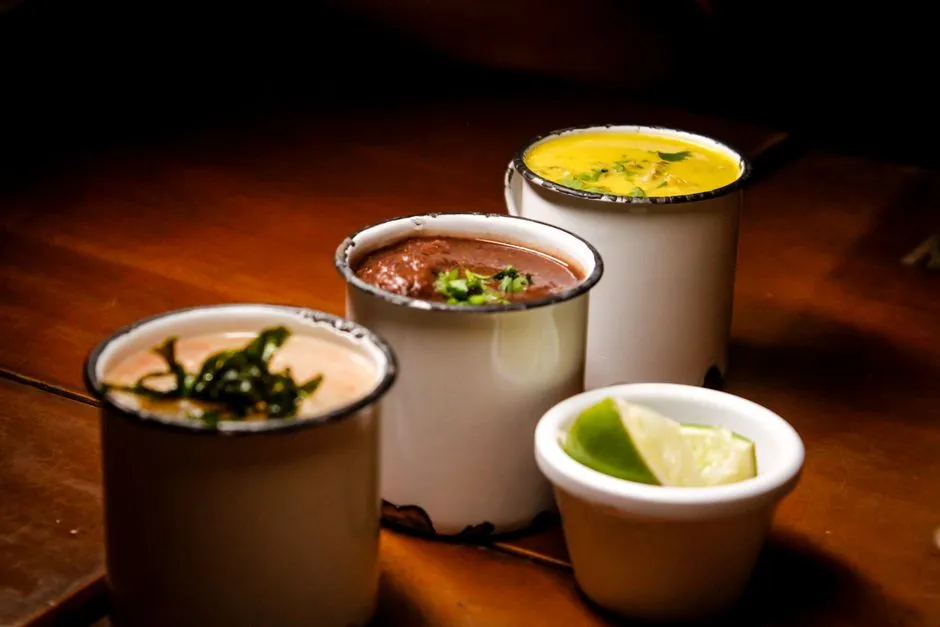
- Read the room, the weather, and the menu
- Seafood chowder: ask what is in today's bowl
- Fish and chips: judge the whole plate
- Stew: identify which stew
- Sausages and mash: simple name, variable details
- Soup, toasties, and sandwiches are proper meals
- Brown bread: companion, not decoration
- Coastal seafood beyond chowder
- Vegetarian and vegan choices
- Dessert and the second-round problem
- Alcohol is optional, and transport is not
- A useful ordering sequence
Read the room, the weather, and the menu
After a walking round on the Clare coast, “Irish pub food” can sound like one glorious brown category. Real menus are more interesting. A coastal pub may offer seafood chowder, fish and chips, soup, sandwiches, beef or lamb dishes, sausages and mash, vegetarian plates, salads, or food that reflects the individual kitchen more than a tourist checklist.
Tourism Ireland's food overview highlights seafood along the Wild Atlantic Way, farmhouse products, stew, and contemporary cooking as parts of a varied food culture. That supports a useful starting point, not a guarantee about tonight's specials in Lahinch.
Look at the menu. Ask what is fresh. Choose for your appetite, dietary needs, budget, and next tee time. There is no requirement to order the heaviest plate available merely because the wind moved your ball sideways.
Seafood chowder: ask what is in today's bowl
Irish seafood chowder commonly combines several kinds of fish or shellfish with vegetables, stock, herbs, and milk or cream. Some versions include smoked fish; some are thick and rich, while others are brothy. “Chowder” describes a family, not a legally enforced formula.
Ask whether the bowl is starter or main size and what comes with it. Brown bread can make a modest bowl a full lunch. After a cold round, chowder offers warmth without requiring the commitment of a large fried plate.
Allergens vary by recipe. Fish, shellfish, milk, gluten, celery, and alcohol may appear. Cross-contact can matter. Tell staff clearly about allergies and ask what the kitchen can safely provide; do not reverse-engineer the stock from its colour.
Freshness matters more than the number of species listed. A shorter, well-made chowder beats a marine census held together by cream.
Fish and chips: judge the whole plate
The classic plate pairs battered fried fish with chips, often with peas, tartare sauce, or lemon. The species, batter, frying fat, portion, and accompaniments vary.
Ask which fish is being served and whether the kitchen uses a shared fryer if allergens or dietary restrictions matter. Beer batter may contain alcohol and gluten. Chips cooked in shared oil may contact fish, shellfish, or other allergens.
Good fish should be moist and opaque, with batter that is cooked rather than gummy. Chips should be hot. If the post-round appetite is moderate, share a side or choose a smaller portion where available. The Atlantic will not revoke your visa for leaving three chips.
Fried food immediately before another round may feel heavy for some people. If tomorrow begins early, choose according to what you know about your own digestion rather than what looks most ceremonial.
Stew: identify which stew
Traditional Irish stew is often associated with lamb or mutton, potatoes, and onions, with versions adding carrots or barley. Beef and stout stew is another familiar pub dish. It is not the same recipe with a more marketable hat.
Read the description or ask:
- which meat is used;
- whether stout, wine, or another alcohol is included;
- whether the gravy contains gluten;
- what vegetables and sides come with it; and
- whether a smaller portion is possible.
Long cooking can reduce alcohol, but it does not guarantee complete removal. People avoiding alcohol for health, pregnancy, recovery, religion, or preference should choose a dish that does not depend on uncertain evaporation.
For home cooking, our beef and stout stew gives exact weights and a non-alcoholic substitution. It is an original home recipe, not a claim about a local pub's guarded pot.
Sausages and mash: simple name, variable details
Sausages with mashed potatoes and gravy can be exactly the soft, salty plate a wet golfer wants. The sausages may be pork, beef, vegetarian, or another style. Mash may contain butter and milk. Gravy can contain meat stock, gluten, alcohol, or all four before you finish asking.
If ingredients matter, ask. Vegetarian sausages do not automatically make the gravy vegetarian, and gluten-free sausages do not guarantee a gluten-free shared kitchen.
Consider portion size. Two sausages and mash may be a comfortable meal; a towering arrangement with fried onions, extra gravy, and sides may be tomorrow's opening-hole swing thought.
Soup, toasties, and sandwiches are proper meals
Soup with bread, a toasted sandwich, or an open sandwich can fit an afternoon tee time better than a major plate. These choices also let a group eat at different levels of hunger without negotiating a collective identity.
Ask about the soup base. Vegetable soup may use dairy or meat stock. A toastie may share equipment with allergen-containing food. Sandwich fillings and bread options vary.
Pair a smaller dish with tea, water, or another non-alcoholic drink. “Just a sandwich” is still lunch. Your scorecard will not be annotated with insufficient stew commitment.
Brown bread: companion, not decoration
Brown soda bread often appears with soup or chowder. Recipes may combine wholemeal and white flour, oats, bicarbonate of soda, buttermilk, sweetener, seeds, or fat. It is usually substantial, slightly crumbly, and very good at transporting butter.
Do not assume brown bread is free from allergens or automatically whole grain in a specific proportion. It commonly contains gluten and dairy; seeds may appear. Ask when needed.
White soda bread is another style. Our measured Irish soda bread recipe uses plain flour, buttermilk, bicarbonate of soda, and salt. It is best eaten fresh because quick breads stale faster than optimism about a three-foot putt.
Coastal seafood beyond chowder
Menus may list mussels, smoked fish, oysters, crab, salmon, hake, or other seafood depending on season, supply, and the kitchen. Availability is not proof of local catch, and “local” can mean different distances or supply relationships. Ask rather than inventing a boat-to-plate biography.
Raw or lightly cooked shellfish carries additional food-safety considerations and may be inappropriate for some people, including those who are pregnant or immunocompromised. Follow personal medical advice. People with shellfish allergy should discuss cross-contact explicitly.
If sustainability matters, ask the species and source. A server may need to check. A confident generic answer is less useful than an honest trip to the kitchen.
Vegetarian and vegan choices
Modern Irish menus often include plant-based food, but availability varies. Look for vegetable curry, salads, soups, bean dishes, plant-based burgers, or a composed plate from seasonal ingredients. Then verify what “vegetarian” or “vegan” means in that kitchen.
Questions worth asking include whether:
- stock contains meat;
- mash contains dairy;
- gravy contains meat or butter;
- fried items share oil; and
- bread or dressing contains milk, egg, honey, or other ingredients you avoid.
Do not expect a kitchen to reconstruct its workflow during the dinner rush without notice. If needs are strict, contact the venue in advance and carry a backup snack.
Dessert and the second-round problem
Sticky toffee pudding, apple desserts, cheesecakes, ice cream, or whatever the kitchen makes may follow. Nothing requires dessert, but splitting one can be a fine way to compare opinions without each person acquiring an individual weather system of sugar and cream.
If another round starts early, consider sleep, hydration, and how a late heavy meal affects you. Nutrition is individual; this guide makes no performance promise. Water remains useful even in a building with taps of greater narrative significance.
Alcohol is optional, and transport is not
A pint may be part of the pub image, but it is not admission. Alcohol-free beer, soft drinks, sparkling water, tea, and coffee are normal orders. Do not use alcohol as post-exercise hydration.
Know how you are getting back before ordering. Choose a designated driver, walk only when the route and conditions are safe, or arrange a taxi. Weather, darkness, unfamiliar roads, and alcohol multiply risk rather than cancelling one another out.
For the rest of the itinerary, our Lahinch golf trip guide covers transport checks, walking requirements, and wet-weather packing.
A useful ordering sequence
First, decide how hungry you are. Second, identify any dietary constraints. Third, ask what the kitchen is doing well today. Fourth, confirm portion size and sides. Then order.
This sequence leaves room for regional food without pretending authenticity lives in one compulsory bowl. Irish pub food can be chowder and brown bread, fish and chips, a careful vegetarian plate, or a sandwich eaten with both hands because the wind has not quite left them.
The best post-golf meal fits the day you actually had. If it is hot, fresh, clearly described, and arrives while the group is still retelling the same bunker shot, it has understood the assignment.