Irish Brown Bread Recipe: A Wholemeal Tin Loaf
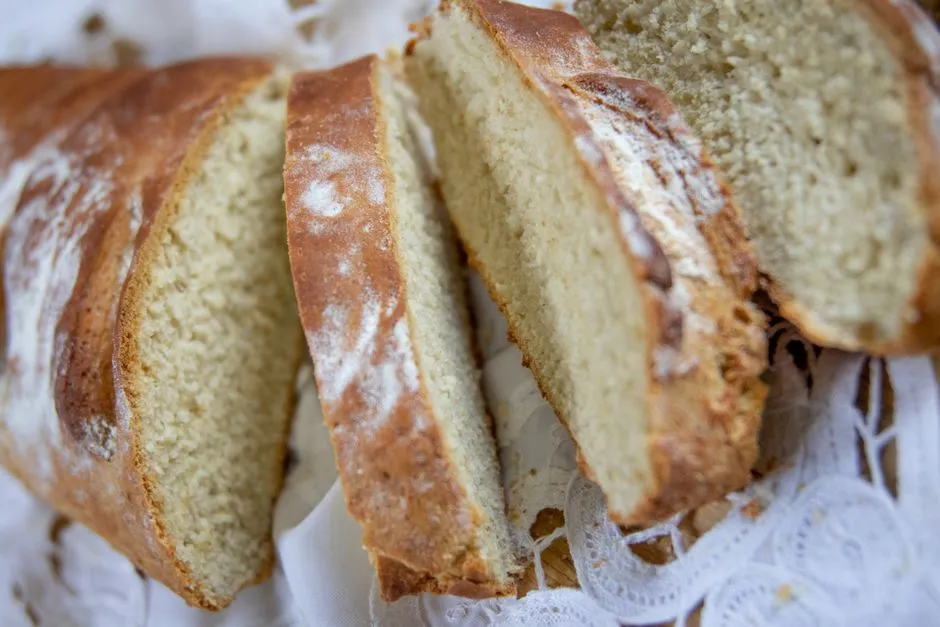
- How do you make Irish brown bread?
- What makes brown bread different from white soda bread?
- What ingredients and method does this loaf use?
- How should you organise the ingredients before mixing?
- How do you check the middle rather than just the crust?
- What should you check for guests with allergies?
- How can you plan serving and storage?
- Sources
How do you make Irish brown bread?
Use a complete wholemeal recipe rather than swapping flour into a white loaf. This guide follows Odlums' brown soda loaf, with the formula below. Check the centre as well as the crust. Bake fully and never taste raw mixture. The recipe contains wheat and milk; check ingredient labels before serving someone with allergies.
This is a desk-researched guide, not a report of a kitchen test. The recipe is Odlums'; shopping checks, comparison and bake record are our additions.
What makes brown bread different from white soda bread?
Whole wheat flour contains the grain's bran, germ and endosperm. King Arthur describes traditional red whole wheat as darker and more assertive in flavour than white all-purpose flour. Its guide also distinguishes coarse Irish-style wholemeal from other wholegrain flours. Those distinctions are useful when shopping: “wholemeal” does not mean every bag has the same grind. King Arthur's wholegrain guide
Our existing white soda loaf is a shaped round. Here, follow the selected recipe as a separate bake. Keep its ingredient list beside you instead of moving back and forth between two recipes. A familiar bread name is not a reason to combine their instructions.
King Arthur's substitution guide explains that whole wheat absorbs more liquid than white flour, and that complete substitution can change the colour and mouthfeel of quick breads. That supports a practical choice: start with a formula written for wholemeal. It does not establish a universal extra splash of milk for every brown loaf. Whole-wheat substitution guidance
What ingredients and method does this loaf use?
Recipe basis: Odlums Quick Brown Soda Loaf, using its natural-yogurt option.
- 350g Odlums coarse wholemeal flour
- 25g wheatgerm
- Pinch of salt
- 1 teaspoon bread soda, sieved
- 1 tablespoon sunflower oil
- 300ml milk
- 125g natural yogurt
- 1 tablespoon treacle
Preheat to 200°C; grease a 900g loaf tin. Combine dry ingredients, add the remaining ingredients and stir well. Expect a wet mixture. Transfer to the tin and bake 45–60 minutes, until the base sounds hollow when tapped. Handle the hot tin with oven gloves. Wrap the baked loaf in a clean tea towel to cool; Odlums notes that it cuts better the following day.
How should you organise the ingredients before mixing?
Lay out the packets beside the recipe and check each item off as you measure it. This is a useful way to catch an omission before the mixing bowl contains several similar-looking dry ingredients. Keep a separate note of anything you could not obtain; an unavailable ingredient is a shopping problem to resolve before baking.
Use this short preparation record:
| Check | What to write down |
|---|---|
| Flour | Exact product name from the bag |
| Measuring | Which ingredients are weighed and which use the measuring spoon or jug |
| Tin | The tin you selected for this recipe |
| Oven | Setting used and time the loaf went in |
| Finish | When you checked it and what the centre test showed |
The record is not a scoring system. Its purpose is to make a later question answerable. “The middle was wet” is more useful alongside the recipe, equipment and actual baking time than alongside a guess about what probably went into the bowl.
How do you check the middle rather than just the crust?
For an additional centre check, King Arthur's own Irish brown-bread recipe uses a cake tester or toothpick inserted into the centre: it should come out clean. We recommend using that check here alongside the selected recipe's baking instructions. This is an added editorial check, not a claim that the two recipes have identical quantities or baking times. King Arthur Irish Brown Bread
If the tester brings out wet mixture, do not serve the loaf as finished.
Do not taste the uncooked mixture while checking it. The FDA explains that flour is a raw food and can carry harmful bacteria; follow the recipe's cooking directions. Wash hands with soap and running water after handling raw flour. Wash used bowls, utensils and work surfaces with warm, soapy water, and keep raw flour away from ready-to-eat food. FDA flour safety
What should you check for guests with allergies?
This ingredient list includes wheat and milk. It is not gluten-free: wheat contains gluten. Read the labels on every packaged ingredient and ask guests about their requirements before choosing what to bake. The FDA advises people with food allergies to read labels and avoid their allergens. FDA food-allergy guidance
Our recommendation is to choose a separately developed recipe when a guest needs different ingredients, rather than promise that an improvised replacement will produce an equivalent loaf. Keep the ingredient information available when serving. This guide does not validate an allergy-adapted version.
How can you plan serving and storage?
For menu planning, choose what role the bread will play: slices beside Irish seafood chowder, part of a simple lunch, or an accompaniment chosen from our pub-food collection. Decide the rest of the meal separately; the bread recipe does not set portions for the soup or main course.
For example, six people offered one slice each require six slices; offering a second slice to everyone requires twelve. This is serving arithmetic, not a claim that the loaf yields twelve slices. Count what you actually cut before promising portions. If bread is the main part of lunch rather than an accompaniment, make a separate meal plan instead of assuming the same allocation.
King Arthur advises keeping its brown bread well wrapped at room temperature for a couple of days, or freezing for longer storage. We use that as a conservative planning reference here, not a guaranteed shelf life for this different loaf. Label the package with the baking date and decide which bread you intend to use soon. Brown-bread storage guidance
Discard bread showing mould. UConn Extension specifically advises discarding mouldy bread or baked goods; do not trim a visible patch and serve that piece. Storage plans never override visible spoilage. UConn mould guidance
Keep your bake record with the recipe for the next attempt. For a different loaf, start again with its own complete method from our baking collection, rather than treating today's notes as universal bread instructions.